Motorcycle Rain Poncho Reflective Strip: Stay Safe and Seen

Motorcycle Rain Poncho Reflective Strip: Stay Safe and Seen

1. The Critical Role of High-Visibility Gear 2. The Practicality of the Motorcycle Poncho 3. Evolving Beyond the Basics: Advanced Motorcycle Rain Gear 4. Defining High-Performance Rainwear 5. Where Functionality Meets Modern Style
avatar

Zhengyu

Written by
November 7, 2025
Motorcycle Rain Poncho Reflective Strip: Stay Safe and Seen

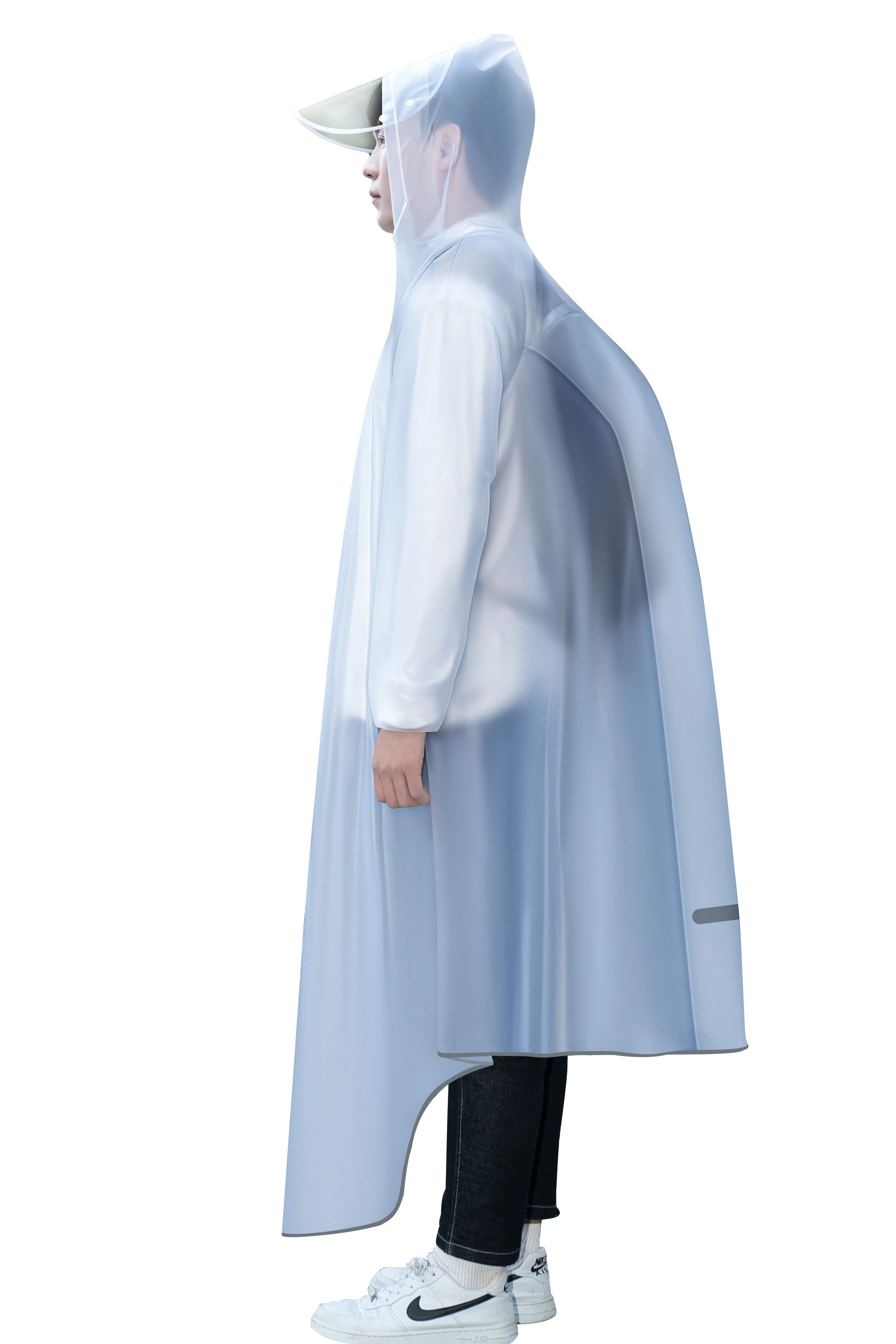
Riding a motorcycle offers an unparalleled sense of freedom, but with that freedom comes a unique vulnerability, especially when the weather turns. Rain not only makes roads slick and reduces tire grip, but it also severely diminishes a rider's visibility to other motorists. In these challenging conditions, staying dry is only half the battle; being seen is paramount to safety. This is where specialized equipment like a motorcycle rain poncho reflective strip becomes an essential piece of every rider's kit, serving as a first line of defense against the hazards of low-light, rainy conditions.

The Critical Role of High-Visibility Gear


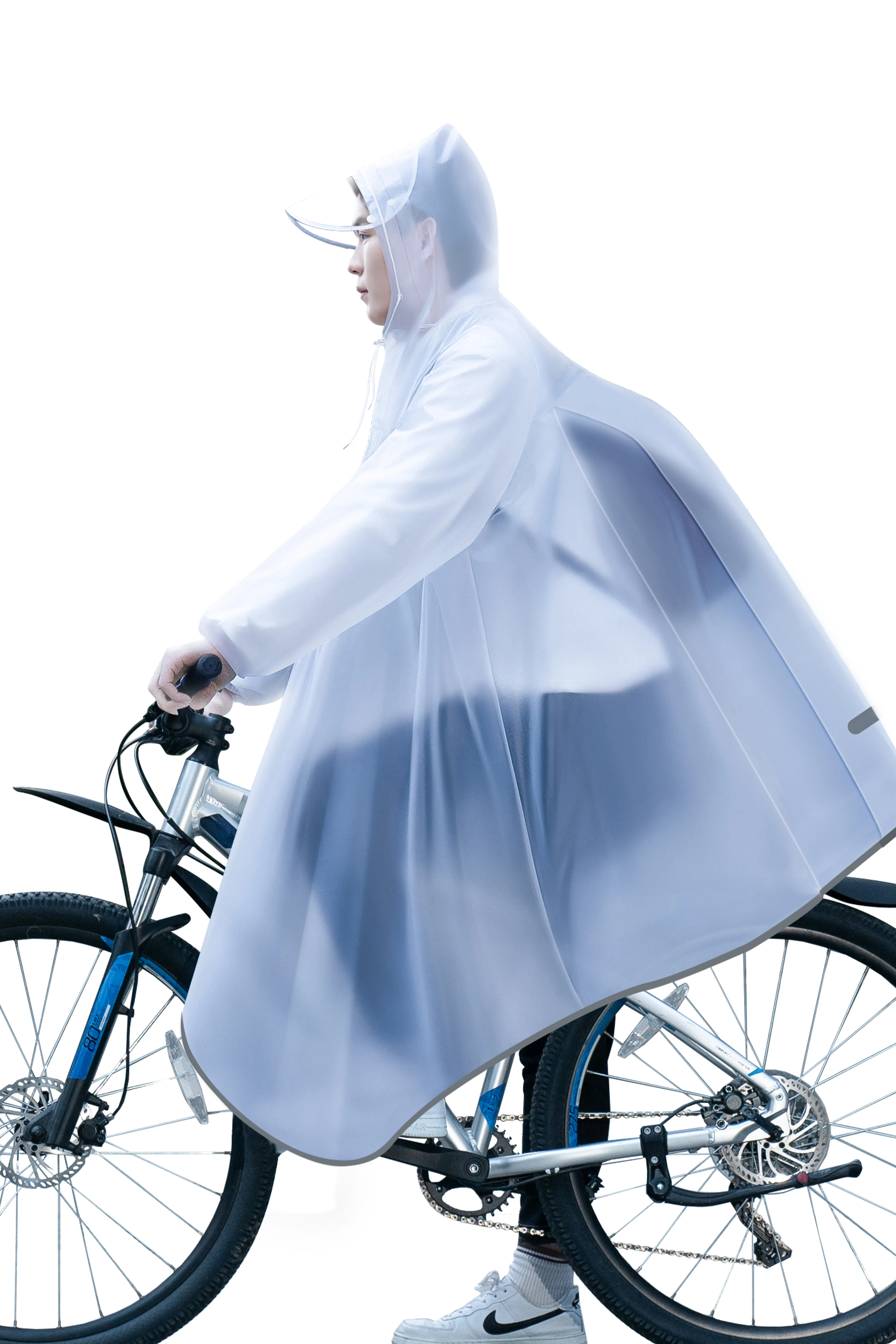
Visibility is a rider's most crucial safety asset. In clear, sunny weather, other drivers can often see a motorcycle's slim profile. However, when rain, fog, or dusk descends, that profile can easily blend into the background of wet roads, spray from other vehicles, and dreary landscapes. Standard rainwear might keep a rider dry, but if it's a dark, non-reflective color, it can ironically increase danger by making the rider nearly invisible. This is why reflective elements are a non-negotiable feature. High-quality reflective strips don't just glow; they use retro-reflection technology to capture and bounce light directly back to its source, such as a car's headlights. This makes the rider appear as a brilliant, unmistakable source of light, alerting drivers to their presence from a much greater distance and giving them more time to react safely.

The Practicality of the Motorcycle Poncho


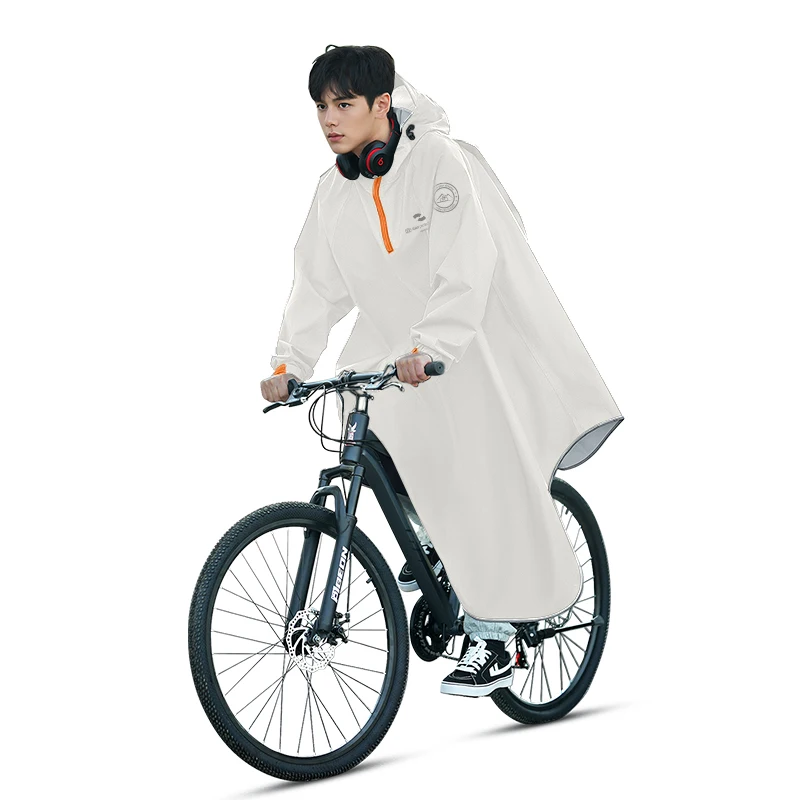
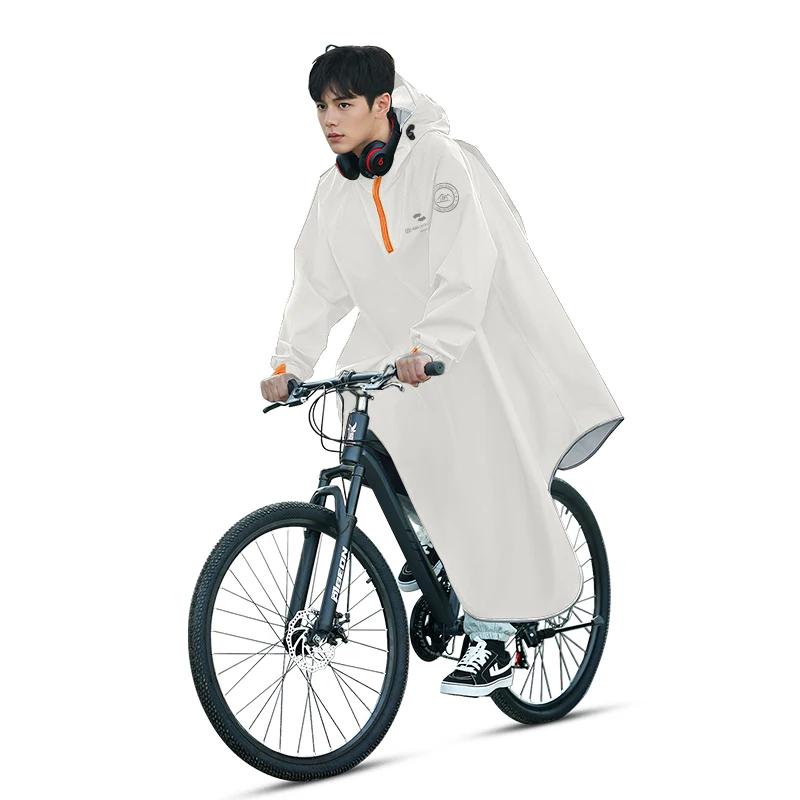
For many riders, particularly urban commuters or those who might get caught in an unexpected shower, the motorcycle rain poncho offers a practical and efficient solution. Its key advantage lies in its ease of use and coverage. A well-designed poncho can be thrown on over riding gear in seconds, providing a waterproof shield that covers the rider's torso, arms, and even the seat and tank of the motorcycle. When equipped with a prominent motorcycle rain poncho reflective strip, this simple garment is transformed into a powerful safety tool. However, it's important to choose one designed specifically for motorcycling to avoid the 'parachute effect,' where the material billows dangerously in the wind at higher speeds.

Evolving Beyond the Basics: Advanced Motorcycle Rain Gear


While a poncho is excellent for convenience, dedicated riders who frequently face inclement weather often require a more robust solution. The world of motorcycle rain gear has evolved significantly, moving towards comprehensive two-piece suits that offer superior protection, durability, and features tailored for the demands of the road. This advanced rainwear provides a complete barrier against the elements, ensuring that no water seeps through to the rider's base layers. Unlike a poncho, a form-fitting jacket and pants combination eliminates wind flap, reducing rider fatigue and distraction. This evolution represents a commitment to not just staying dry, but riding with enhanced comfort and security, no matter the forecast.

Defining High-Performance Rainwear


What separates premium rain gear from basic alternatives? It starts with the materials. Modern suits are crafted from high-quality, lightweight fabrics that are both completely waterproof and breathable, preventing the clammy, uncomfortable feeling that can come from trapped body heat and perspiration. The construction is equally important. Look for features like a sturdy snap-button closure over a full-length zipper, creating a double seal against wind and driving rain. Practicality is also key; generous, well-placed pockets allow for secure storage of essentials. The pants should feature an elastic waistband for a comfortable, adaptable fit and a straight-leg design that allows for unrestricted movement, making it easy to get on and off the bike. This level of thoughtful design turns a simple piece of rainwear into an indispensable part of your riding ensemble.

Where Functionality Meets Modern Style


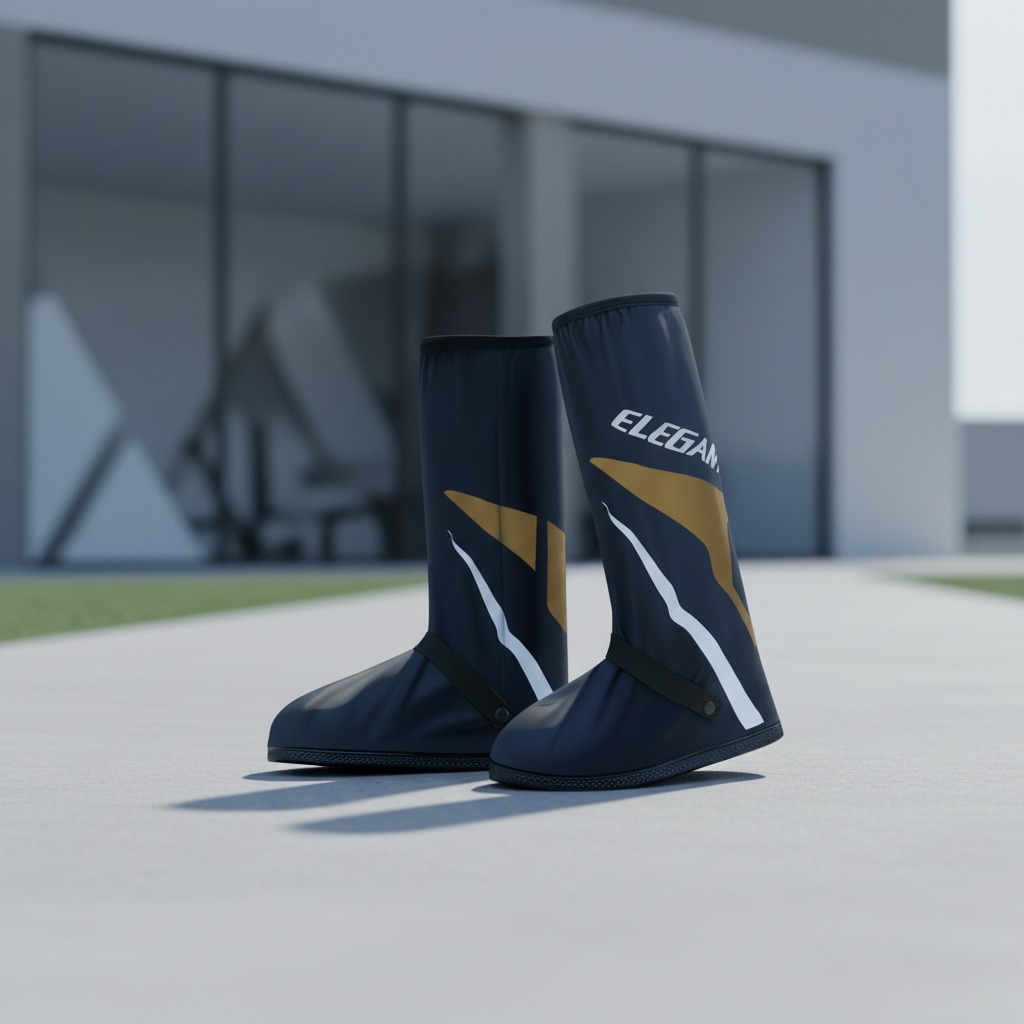
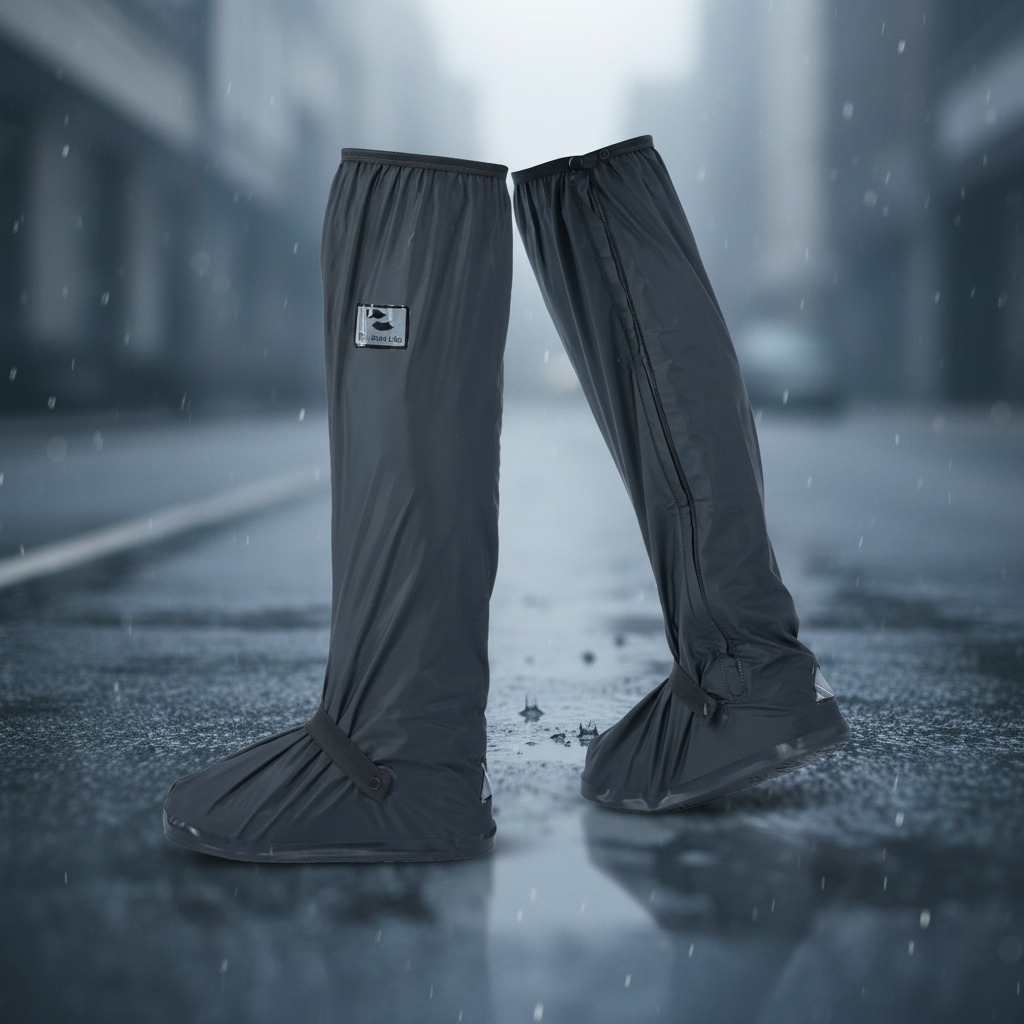
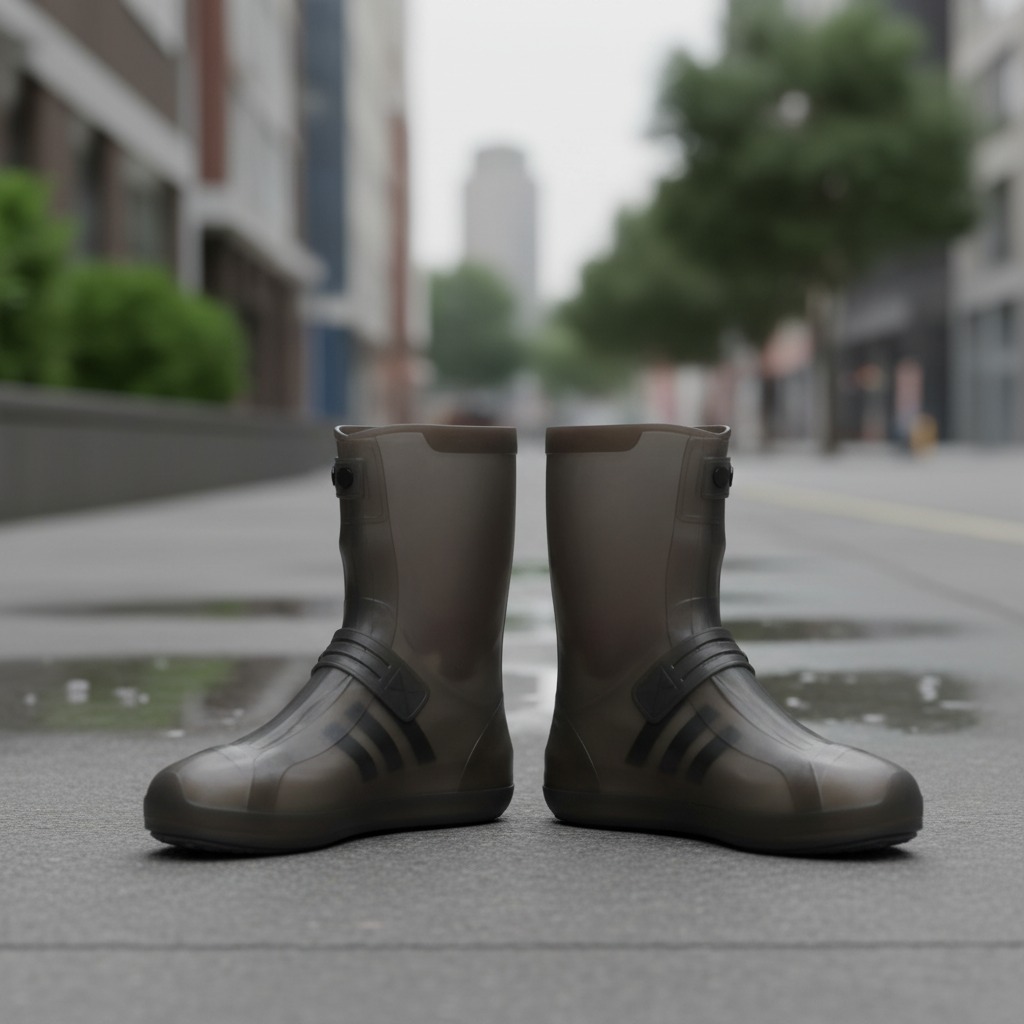
Today's riders no longer have to choose between looking good and staying safe. The latest generation of motorcycle rainwear proves that protective apparel can also be stylish. Gone are the days of bulky, unflattering plastic suits. The modern aesthetic favors sleek, sophisticated dark finishes that look sharp both on and off the bike. Accents like strategically placed reflective strip detailing across the chest or along the hood add a touch of modern flair while significantly boosting visibility. This fusion of fashion and formidable functionality means a rider can transition seamlessly from their commute to a cafe, all while wearing a protective ensemble that complements their style. Pairing a well-designed rain suit with durable sneakers can create a look that is both protected and polished, redefining expectations for what protective gear can be.
Frequently Asked Questions (FAQ)

1. Why is visibility so important when riding a motorcycle in the rain?
Rain creates multiple hazards: roads become slick, tire grip reduces, and—most critically—a rider's visibility to other motorists drops significantly. Wet roads, spray from vehicles, and low-light conditions can cause a motorcycle's slim profile to blend into the background. High-visibility gear with reflective elements ensures that riders are seen from a greater distance, giving other drivers more time to react safely.

2. How do reflective strips actually work to improve safety?
Reflective strips use retro-reflection technology. Unlike simple bright colors that rely on ambient light, reflective materials capture light from sources such as car headlights and bounce it directly back to its source. This creates a brilliant, unmistakable glow that makes the rider appear illuminated, dramatically increasing visibility in low-light and rainy conditions.

3. What is the difference between a motorcycle rain poncho and a two-piece rain suit?
A motorcycle rain poncho offers convenience and ease of use—it can be thrown on quickly over riding gear and provides coverage for the torso, arms, and often the seat and tank. However, it may billow in the wind at higher speeds. A two-piece rain suit (jacket and pants) offers a more form-fitting, comprehensive barrier against the elements, eliminates wind flap, reduces rider fatigue, and provides superior protection for frequent or long-distance riding.

4. Is a motorcycle rain poncho with reflective strips safe for highway riding?
While a poncho with reflective strips significantly improves visibility, it is important to choose one specifically designed for motorcycling. General ponchos may create a "parachute effect," catching wind dangerously at higher speeds. Motorcycle-specific ponchos are designed with features like snap closures, adjustable fits, or attachment points to minimize wind billowing while maintaining the safety benefits of reflective strips.

5. Can standard rainwear provide adequate visibility for motorcyclists?
Standard rainwear may keep you dry, but if it is dark or non-reflective, it can actually increase danger by making you nearly invisible in low-light, rainy conditions. For motorcycle use, reflective elements are a non-negotiable safety feature. High-quality motorcycle rain gear integrates reflective strips or panels specifically to address the visibility challenges riders face.

6. What should I look for in high-quality motorcycle rain gear?
When selecting rain gear for motorcycling, consider the following:

  • Reflective elements: Prominent reflective strips or panels for maximum visibility.

  • Waterproofing: Seam-sealed construction and reliable waterproof materials.

  • Fit: Designed to fit over riding gear without excess bulk or wind flap.

  • Durability: Reinforced seams and abrasion-resistant materials.

  • Ventilation: Features that prevent overheating while maintaining waterproofing.

  • Ease of use: Quick on-and-off functionality, especially for unexpected showers.

7. Is a two-piece rain suit worth it for casual or urban riders?
Yes. Even for urban commuters or casual riders, a two-piece suit offers complete protection against rain and eliminates the risk of water seeping through gaps. It also reduces wind flap, which can be distracting and tiring even at city speeds. For those who frequently face inclement weather or ride longer distances, the investment in a quality two-piece suit provides enhanced comfort and safety.

8. Does motorcycle rain gear help with cold weather as well?
While primarily designed for waterproofing, quality motorcycle rain gear also acts as a windproof layer. By blocking wind and moisture, it helps retain body heat, making it an effective addition to cold-weather riding setups when layered over insulating base layers and riding gear.

9. How do I care for and maintain my motorcycle rain gear?
To extend the life of your rain gear:

  • Rinse off dirt, road grime, and salt after use.

  • Air dry thoroughly before storing—avoid direct heat sources like radiators or dryers.

  • Store in a cool, dry place away from direct sunlight.

  • Avoid folding reflective strips sharply, as this can damage the reflective material over time.

  • Follow the manufacturer's instructions for cleaning; most gear requires only mild soap and water.

10. Can I use a motorcycle rain poncho as my primary rain gear?
A motorcycle rain poncho with reflective strips is an excellent choice for convenience, unexpected showers, and short trips. However, for riders who regularly face heavy rain, long commutes, or highway speeds, a dedicated two-piece rain suit offers superior protection, durability, and comfort. Many riders keep a poncho as a compact backup and invest in a two-piece suit for planned or extended wet-weather riding.

Tags

Share

Share On