
What buyers usually mean when they search for LL Bean wellies
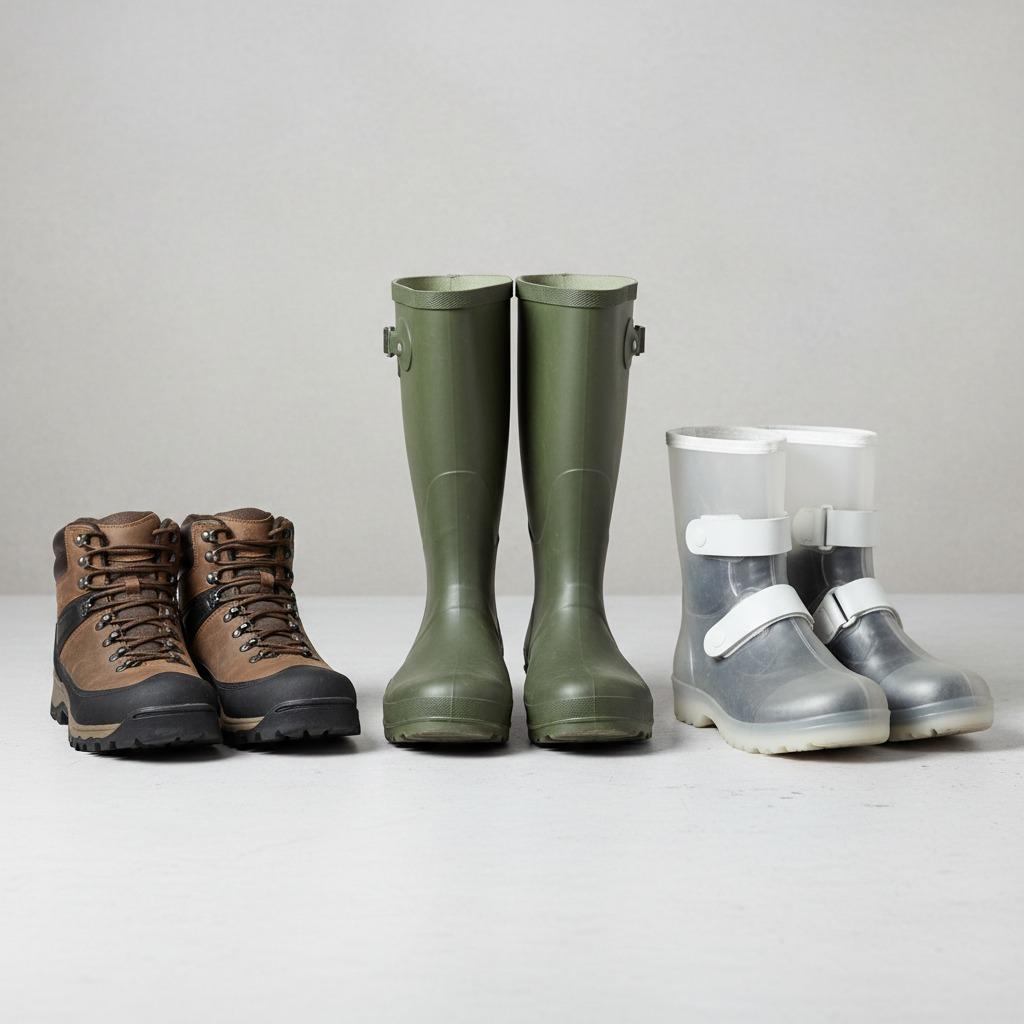
When someone types LL Bean wellies into a search bar, they are often not just shopping for a fashion item. They are trying to solve a simple, practical problem: how to keep footwear dry, clean, and serviceable in wet ground, muddy paths, or work sites where a full boot is not always the best answer. That search can point in more than one direction. Some buyers want traditional rain boots. Others are looking for boot covers or overshoes that slip over existing shoes. In manufacturing and sourcing terms, that difference matters more than it first appears.
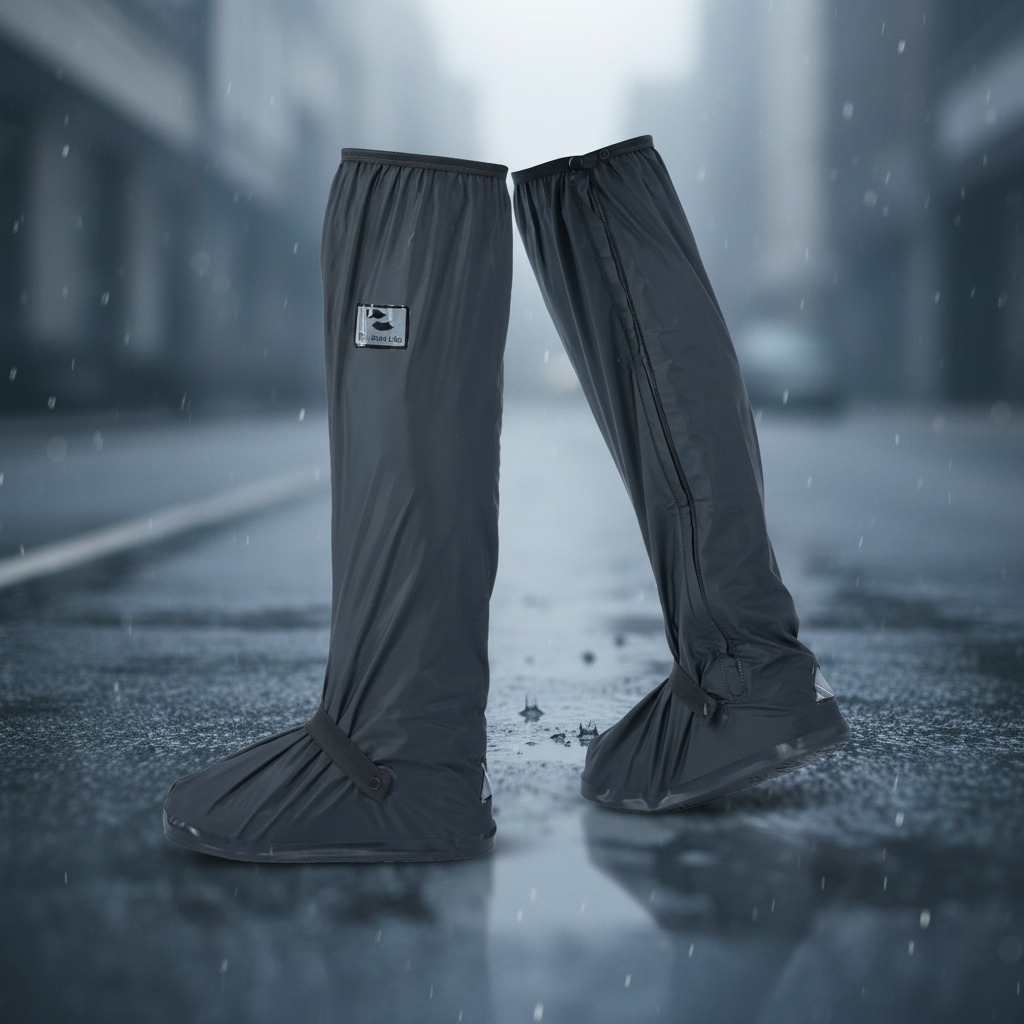
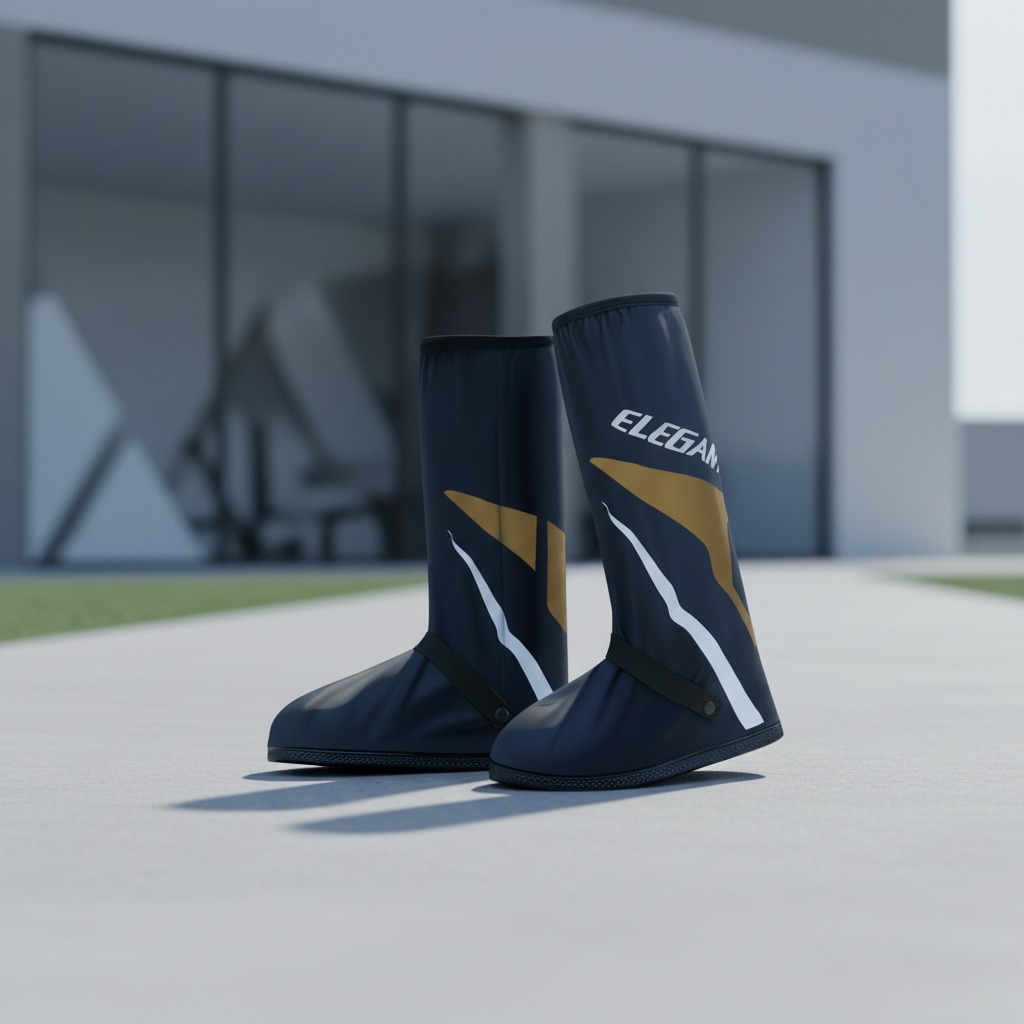
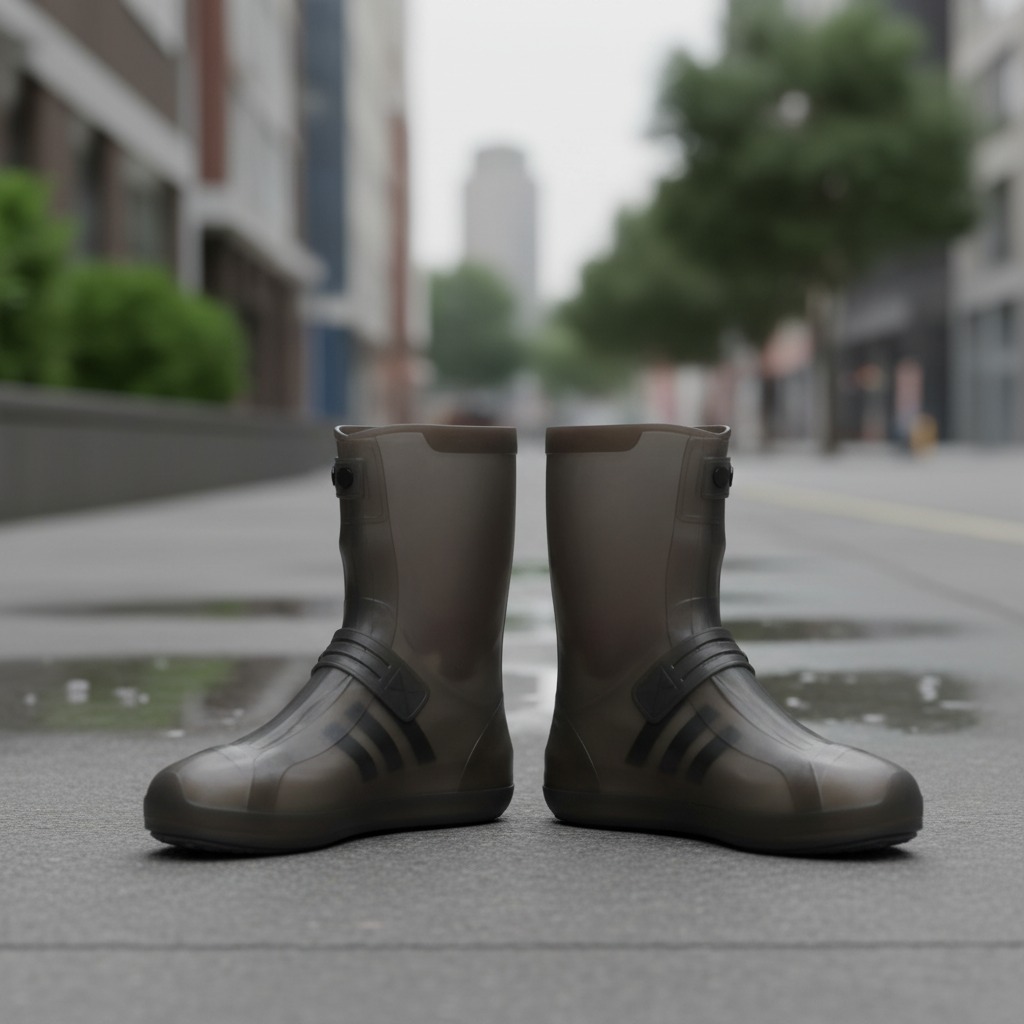
The product category behind this kind of search is usually a waterproof outer layer for footwear, not necessarily a stand-alone boot. Based on the product information provided, the item in question appears to be a translucent, mid-calf overshoe with a molded shape, a rounded toe, a flat sole, and a side strap with snap closures. That makes it closer to a reusable protective cover than to a heavy-duty work boot. For a buyer, that distinction affects comfort, durability, storage, and where the product can realistically be used.
Quick takeaway: boot, overshoe, or rain boot?
If you are comparing LL Bean rain boots, LL Bean boots, and overshoe-style products, the first decision is structural rather than stylistic.
A rain boot is a standalone shoe. It replaces what you are wearing and carries its own outsole, upper, and fit system.
An overshoe is an accessory. It goes over an existing shoe or boot and is meant to protect the underlying footwear from moisture, dirt, and light site debris.
A traditional boot sits somewhere in the middle in buyer conversations because the word is used loosely. In sourcing discussions, though, the build tells you what you are really buying. The product described here has a one-piece molded body, a tall shaft, and a strap-and-snap closure, which are all signs of a cover designed for temporary protection rather than all-day standalone wear.
That matters because a buyer selecting for warehouse entryways, maintenance crews, garden use, or muddy transport tasks may value quick on-off protection more than ankle support or long-duration comfort. On the other hand, if the use case is extended outdoor walking, a proper boot may be the better fit.
Why this category keeps showing up in work and outdoor buying
The appeal of an overshoe or boot cover is straightforward. It creates a barrier between the ground and the wearer’s regular shoe. That saves time, keeps office or indoor footwear cleaner, and can be useful where workers move between clean and dirty zones during a shift.
A mid-calf cover is a practical compromise. It rises high enough to block splashes better than a low shoe cover, but it does not commit the user to a full rubber boot for the whole day. The semi-transparent body also lets the underlying shoe shape show through, which can help a buyer see at a glance whether the cover is seated properly.
For industrial, agricultural, or cleaning applications, that convenience has real value. A crew member can put the cover on quickly, walk through wet ground or muddy access points, and remove it before re-entering a cleaner space. The caution, of course, is that a lighter overshoe is not automatically the right choice for every environment. If the site involves sharp debris, oils, or heavy abrasion, the buyer should ask harder questions about material and outsole performance than a simple product photo can answer.
What the visible construction suggests
The visible features of the provided product tell us a fair amount even without a brand name.
The tall shaft suggests mid-calf coverage. The rounded toe and enclosed sole indicate a full protective shell, not just a sleeve. The smooth matte-to-satin finish points toward a flexible polymer or rubber-like material, although the exact composition cannot be confirmed from the image. The side fastening strap with snap-button closures is notable because it helps secure the cover around the ankle or instep, which can reduce slippage during wear.
The outer side’s three diagonal stripe graphics are a visual detail, not necessarily a performance feature. Buyers sometimes read too much into decorative striping. Unless the supplier can tie those graphics to reinforcement or visibility, treat them as styling.
The textured outsole edge is another useful clue. It suggests some attempt at grip, but tread detail is limited in the image. That means a sourcing manager should not assume slip resistance from appearance alone. For any safety-critical environment, the buyer should ask for test data or documentation before using the product as a controlled safety item.
How this type of product is made
The product appears to fall into a molded footwear-accessory category. In manufacturing terms, that often means injection molding, cast polymer processing, or dip-molded production, depending on the material and the factory setup. The exact process is not confirmed here, so it should be treated as a likely category rather than a verified method.
Why does process matter? Because it affects seam quality, wall consistency, flexibility, and repeatability. A one-piece molded body usually reduces the number of failure points compared with a stitched or multi-panel construction. For overshoes, fewer seams can be a virtue in wet use. But molded products can also vary in softness, tear resistance, and how well they recover after repeated stretching. Buyers should not assume that a smooth molded appearance means equivalent long-term durability across suppliers.
The snap-fastened strap is a separate functional component. It adds convenience, but it also creates a potential wear point. If the fastener is under-specified or the strap is too thin, that area often fails before the body of the cover does. It is a small detail, but in practice small details are where reusable accessories either earn their keep or get discarded early.
Selection criteria that matter more than branding
If you are comparing LL Bean rain boots with overshoe-style alternatives, start with use case rather than label recognition.
1. Intended duration of wear
For brief exposure to rain or mud, an overshoe may be enough. For all-day standing, walking, or cold-weather use, a proper boot is usually the better tool.
2. Fit over the underlying shoe
The whole point of an overshoe is that it fits over what is already being worn. But fit can be unforgiving. Too tight, and the cover is hard to don and may stress the material. Too loose, and it may shift or catch. Buyers should ask for size guidance and understand which shoe profiles it can realistically accommodate.
3. Fastening reliability
A strap and snap closure is simple, which is often a strength. Simple closures are easy to inspect and replace mentally, even if not physically replaceable. Yet they should hold under repeated flexing. If the cover is meant for reusable service, the closure system deserves as much scrutiny as the sole.
4. Surface conditions
Wet concrete, mud, dust, and light splash are one thing. Oil, sharp gravel, chemical exposure, or hot surfaces are another. The product info here does not support claims beyond general protective use, so the buyer should keep the application modest unless more data are supplied.
5. Cleaning and storage
Reusable overshoes should be easy to rinse, dry, and store without sticking together or deforming badly. Semi-transparent polymer bodies often make dirt visible, which is useful in practice even if it is not a formal performance feature.
Common buyer mistakes
The most common mistake is assuming all waterproof footwear solves the same problem. It does not. A full rain boot, a branded outdoor boot, and a slip-on overshoe each address different needs. When buyers blur those categories, they often overbuy or underbuy.
Another mistake is treating appearance as evidence of specification. A matte surface, a molded body, and a textured edge may look robust, but they do not prove slip resistance, chemical resistance, or long wear life. Those claims require data.
A third mistake is ignoring how the item will actually be used. If staff need to put the product on and off several times a day, a fastening system becomes important. If they will wear it while walking long distances, comfort and internal volume matter more. If the use is short and repetitive, speed may outweigh everything else.
There is also a habit among some buyers to ask only whether a product is “waterproof.” That is too blunt a question for this category. A better question is: waterproof against what, for how long, and under what movement or abrasion load? That is the kind of distinction that saves procurement teams from disappointment later.
Practical advice for sourcing teams
If you are evaluating a product like this for resale, distribution, or internal use, ask for plain-language information before you ask for marketing copy. Material family, closure design, size range, and intended environment are the basics. If the supplier cannot describe those clearly, the product may still be usable, but you should proceed carefully.
For buyers comparing LL Bean boots against overshoe options, it helps to define the end user. Is this for a person walking from car to office in wet weather? For a farm worker moving between barns? For a maintenance team crossing dirty corridors? The answer changes the product choice.
Also, do not assume reusability from appearance alone. The product here may be reusable if the material and fasteners hold up, but that is not guaranteed. Reuse depends on polymer resilience, seam integrity, and how often the user flexes the opening. A simple-sounding item can become a replacement headache if it is bought only on visual similarity.
FAQ for buyers comparing wellies and overshoes
Are LL Bean wellies the same as rain boots?
In common use, people may use the terms loosely, but in product terms they are not always the same. Rain boots are standalone footwear. Wellies are often used to describe taller waterproof boots. Overshoes are different again because they cover existing shoes.
Can this kind of product replace a heavy-duty work boot?
Usually not. A molded overshoe can be very useful for wet, muddy, or dusty conditions, but it is not automatically suited to impact protection, high abrasion, or all-day field wear.
What should I ask the supplier first?
Ask about material, closure durability, size fit over common shoe types, cleaning method, and whether the product is intended as reusable or disposable. Those answers tell you more than a polished product photo.
What to do next
If your team is deciding between LL Bean rain boots, LL Bean boots, or a protective overshoe like the one described here, start by matching the product to the environment rather than the brand name. A mid-calf molded cover with a snap strap may be the right answer for temporary wet-weather protection, site cleaning, or muddy access points. It may also be the wrong answer if the work demands long wear, strong tread, or verified protective performance.
The safest next step is to define the actual job, request the missing technical details, and compare products on structure and use case. That is usually where the real difference shows up.