
Urban light outdoor wear is winning because it solves a real problem
For many buyers, urban light outdoor apparel sits in an awkward but useful middle ground. It is not built like a heavy expedition shell, and it is not meant to look like gym wear either. The appeal is simpler: a set you can wear on a wet commute, a short hike, a weekend trip, or a breezy walk without changing your entire outfit. That matters to retailers, sourcing teams, and product planners because this category sells on versatility first and technical claims second.
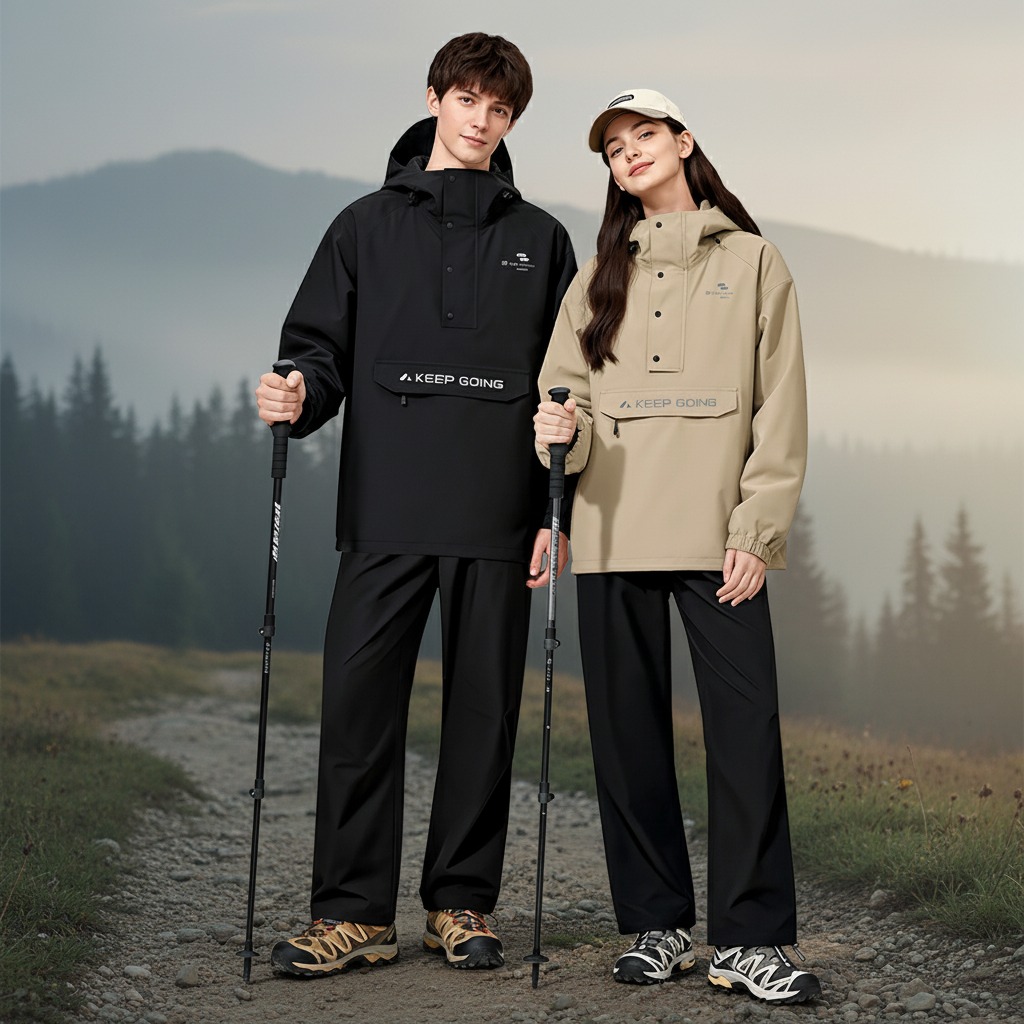
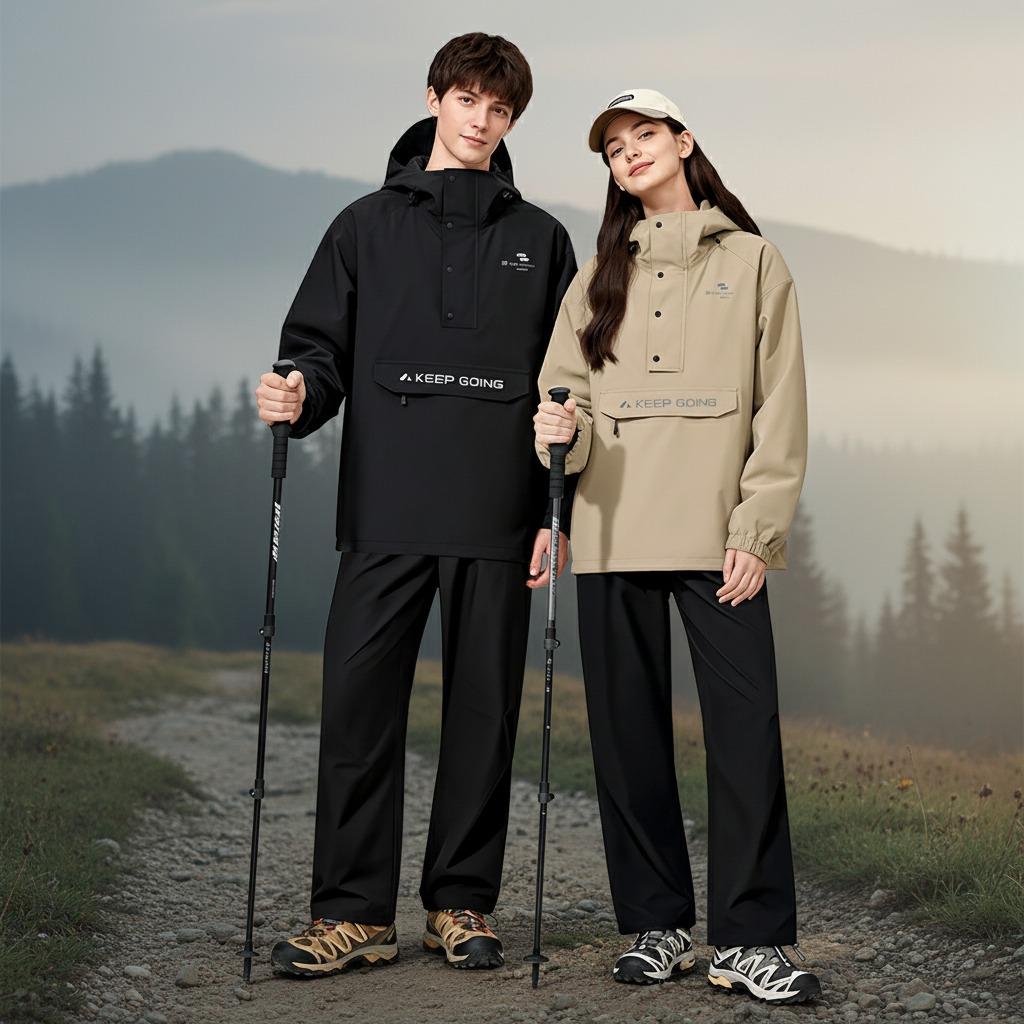
The piece shown in your product data fits that use case well. It is a matching two-piece shell set: an anorak-style pullover top with loose-fit pants, made in a matte woven-looking fabric with a relaxed silhouette. The look is straightforward, almost utilitarian, and that is part of the point. Buyers are often looking for something that feels casual enough for city wear but still visually reads as outdoor gear. In other words, it needs to do more than just keep the rain off; it has to fit into a daily wardrobe without looking overly technical.
That is where many teams make a mistake. They assume a weather shell must either be highly technical and expensive, or so basic that it feels disposable. The urban light outdoor category has room between those extremes, but only if the product is designed carefully. Shape, closure type, fabric hand-feel, and colorway all affect whether the set looks practical, styled, or forgettable.

What this style is, and why it is easy to merchandise
The visible design cues are clear. The top uses a high stand collar or hooded shape, a partial front snap placket, long sleeves, and a large front flap pocket with visible text detail. The pants are wide and relaxed, with a loose fit that favors movement and layering. Black and beige/tan versions are shown, which is a sensible starting point for a line aimed at broad consumer appeal.
This kind of urban light outdoor set works because it is easy to explain at point of sale. It offers light weather protection, simple layering, and a coordinated look. For sourcing managers, that means the product can be positioned across multiple buying occasions: light hiking, travel, camping, commuting, and general outdoor leisure. For product teams, it gives room to create a family of styles without changing the core pattern block every season.
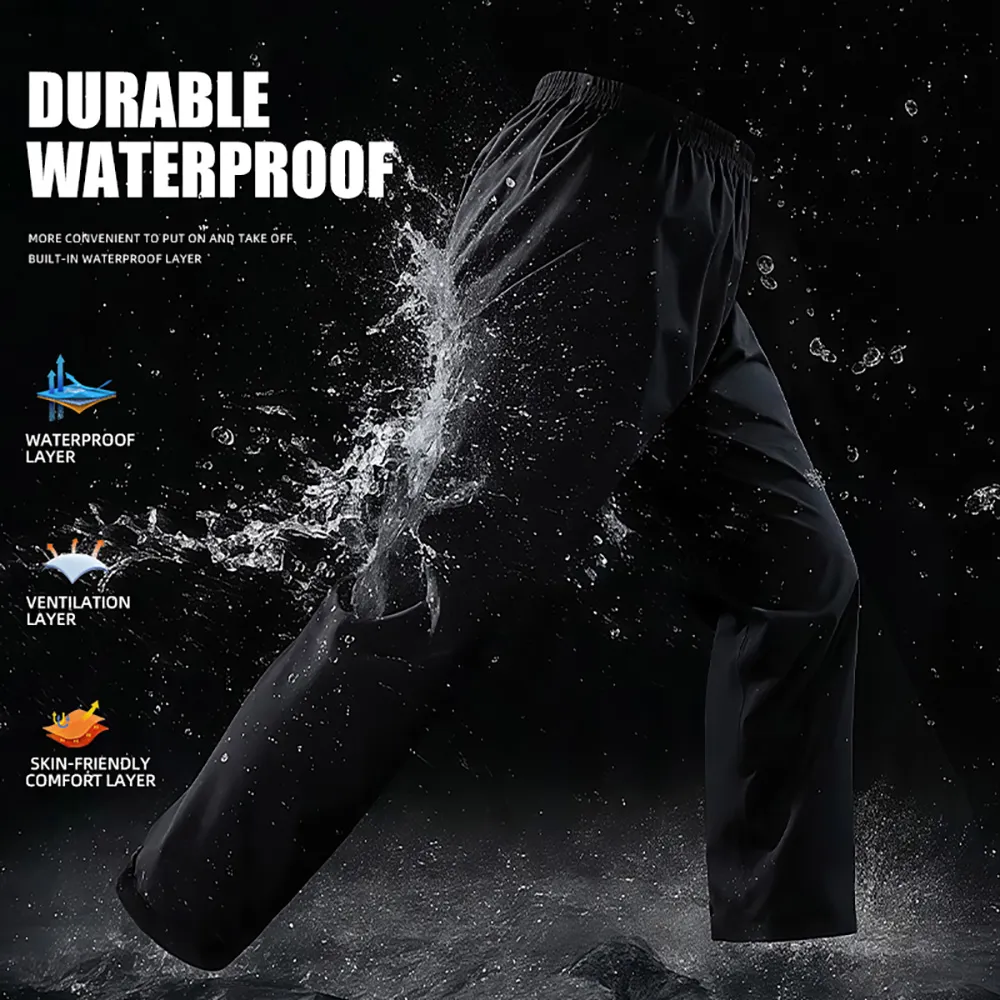
A practical advantage is packability. Even without exact weight data, a synthetic woven shell construction usually suggests a garment that can be folded, carried, and pulled out when conditions shift. That is a real selling point for consumers who do not want to carry a second jacket all day. Still, it is worth being cautious: buyers should not assume fully waterproof performance unless seam sealing, membrane details, or test data are clearly supplied.
Key features to evaluate before you place an order
Closure and entry
The partial snap placket is useful because it keeps the design simple and fast to put on. It also supports the pullover format, which tends to create a cleaner silhouette than a full zip on some casual shell sets. The trade-off is obvious: pullover entry can be less convenient in changing conditions. If your customer base values easy ventilation or quick removal, that should be considered before final approval.
Fit and range of motion
The loose-fit pants and relaxed top create a non-restrictive silhouette. That matters in hiking and travel wear, where buyers often want a shell that can be layered over light clothing without feeling tight at the knees, elbows, or seat. A wide-leg cut can also make the set feel more current in fashion terms, which helps in urban retail environments. The downside is that very loose shapes can look bulky on smaller frames, so grading and proportional balance matter.
Fabric hand and finish
The fabric appears smooth and matte, not shiny. That detail is easy to overlook, but it affects consumer perception. Matte fabrics often read as more premium, less sporty, and more wearable in town. They also hide some wrinkling better than glossy alternatives. If the end use includes commuting or travel, that visual restraint is a real asset. The caveat, of course, is that appearance alone tells you little about performance. Water resistance, abrasion resistance, and breathability all depend on the actual textile specification.
Pocketing and visible utility
The large front flap pocket with “KEEP GOING” text is doing more than carrying small items. It gives the top a clear identity and helps the set stand out in a crowded product wall. Buyers should pay attention to this kind of feature because it can drive impulse appeal, especially in lifestyle-led outdoor assortments. At the same time, printed or branded pocket flaps should be checked for durability in repeated washing and abrasion, particularly if the garment is aimed at regular outdoor use.
How this compares with other outdoor shell directions
In the broad outdoor apparel market, there are a few recognizable directions. A technical rain shell is built to prioritize protection and performance, often with more visible seam work, zippers, and performance language. A softshell leans into comfort and stretch. This urban light outdoor set sits closer to casual protection wear: enough structure to handle wind and light moisture, but a softer presentation than hard-shell equipment.
That positioning matters if you are building an assortment. If your line already includes a more technical outdoor mountain set, this style can fill the lifestyle gap. It is the one you sell to buyers who want outdoor utility without a mountaineering look. If you are planning an outdoor landscape lighting set for a completely different product line, keep the naming discipline clear internally; in apparel, a muddled assortment architecture can confuse both buyers and retail customers. The same applies to an outdoor mountain set category: strong function sells, but not every consumer wants a garment that looks engineered for alpine weather.
In retail terms, this product is likely to perform best where the customer is browsing by use case, not by fabric specification. That includes travel stores, outdoor lifestyle shops, and apparel collections that blend leisure and commuter utility.
Manufacturing considerations that deserve attention
This is a cut-and-sew outdoor apparel item, which means success depends on pattern execution as much as fabric choice. The loose silhouette can hide some small fit issues, but it can also amplify poor proportioning if the hood, shoulder, sleeve, and pant volumes do not work together. Buyers should ask for pre-production samples and check how the garment hangs in motion, not only on a hanger.
Seam construction is another point that should not be glossed over. Because the exact waterproof construction is not visible, it would be unsafe to assume the set is fully sealed or suitable for prolonged heavy rain. For light-weather use, that may be enough. For harsher outdoor conditions, ask for clear documentation on coating, membrane, and seam treatment before making claims in marketing materials.
Color consistency also matters more than it seems. Matte woven shells can show shade variation across dye lots, especially in earth tones like beige or tan. Black is usually the safer commercial choice, but tan or sand tones often help the product feel more urban and fashion-led. A balanced assortment may need both.
Common buyer mistakes with this category
The first mistake is overpromising performance. If the set is presented as waterproof when the available information only supports water-resistant or wind-resistant use, returns and compliance issues can follow. The second mistake is overbuilding the garment. Adding too many technical details can make the set expensive and visually cluttered, which undermines the relaxed, everyday appeal that makes the category attractive in the first place.
Another common error is ignoring the pants. Many teams focus heavily on the top because it is more visible in photography, but the matching loose-fit pants are what make this a true set. If the pant shape is awkward, the whole product looks unbalanced. Also, if the waistband is too restrictive or the leg opening too wide, wearability drops quickly.
Finally, do not underestimate presentation. This kind of product relies on styling to communicate use. Trekking poles and sturdy outdoor shoes in the image help signal that it is meant for active use. Without that context, it could read as a fashion set with a sporty twist. That may be fine for some channels, but it should be intentional.
Practical buying advice for sourcing and product teams
If you are evaluating an urban light outdoor set like this, start with the customer scenario. Is the wearer commuting through drizzle, heading out for a day walk, or packing a backup layer for travel? That answer should shape everything from fabric selection to closure design and pocket placement. For example, a travel-focused line may prioritize easy packing and a clean silhouette, while a light hiking line may need stronger weather resistance and more secure closures.
Next, request clarity on what is confirmed and what is only implied. In this case, do not assume exact fiber content, waterproof rating, breathability, or seam sealing. Those details must be verified. If a supplier cannot provide them, your product copy should stay conservative. It is better to sell the garment as a lightweight outdoor shell set than to make claims that cannot be substantiated.
For merchandising, the visible black and beige/tan options are a smart base. They are neutral enough for cross-channel selling and easy to style across age groups. If you plan to extend the line, you could test one muted seasonal color rather than jumping straight into loud brights. That keeps the product aligned with its understated outdoor-to-urban positioning.
Frequently asked questions
Is this more of a fashion item or a utility item?
It is both, but the balance leans toward utility-first casual wear. The loose fit, pullover top, and shell-like fabric support light outdoor use, while the matte finish and coordinated set styling make it suitable for city wear.
Can it replace a technical rain jacket?
Not safely unless the supplier provides confirmed performance data. Based on the visible information alone, it is better treated as light weather protection than as a substitute for a fully technical rain system.
Who is the strongest target customer?
Consumers who want one outfit for short hikes, travel days, errands in changeable weather, and casual outdoor time. It is especially appealing to buyers who prefer a coordinated look without sacrificing comfort.
What to ask your supplier next
If you are reviewing this kind of urban light outdoor product for your assortment, ask for the fabric specification, finishing details, sample photos on-body and in motion, and any testing the supplier can legitimately share. Then compare how the set feels in use, not just how it looks on a flat lay. The market is crowded with shell-inspired apparel, but the better products are usually the ones that combine a calm visual profile with honest utility.
When a garment like this is done well, it becomes one of those dependable pieces that customers reach for without thinking too hard. That is a strong commercial position, especially in a category where too much technical language can scare off the everyday buyer and too little performance can disappoint the outdoor one. The best next step is to verify the details, sample carefully, and decide whether you want the set to behave like everyday weatherwear or to move further into technical territory.