
What buyers usually mean when they search for ladies bogs rain boots
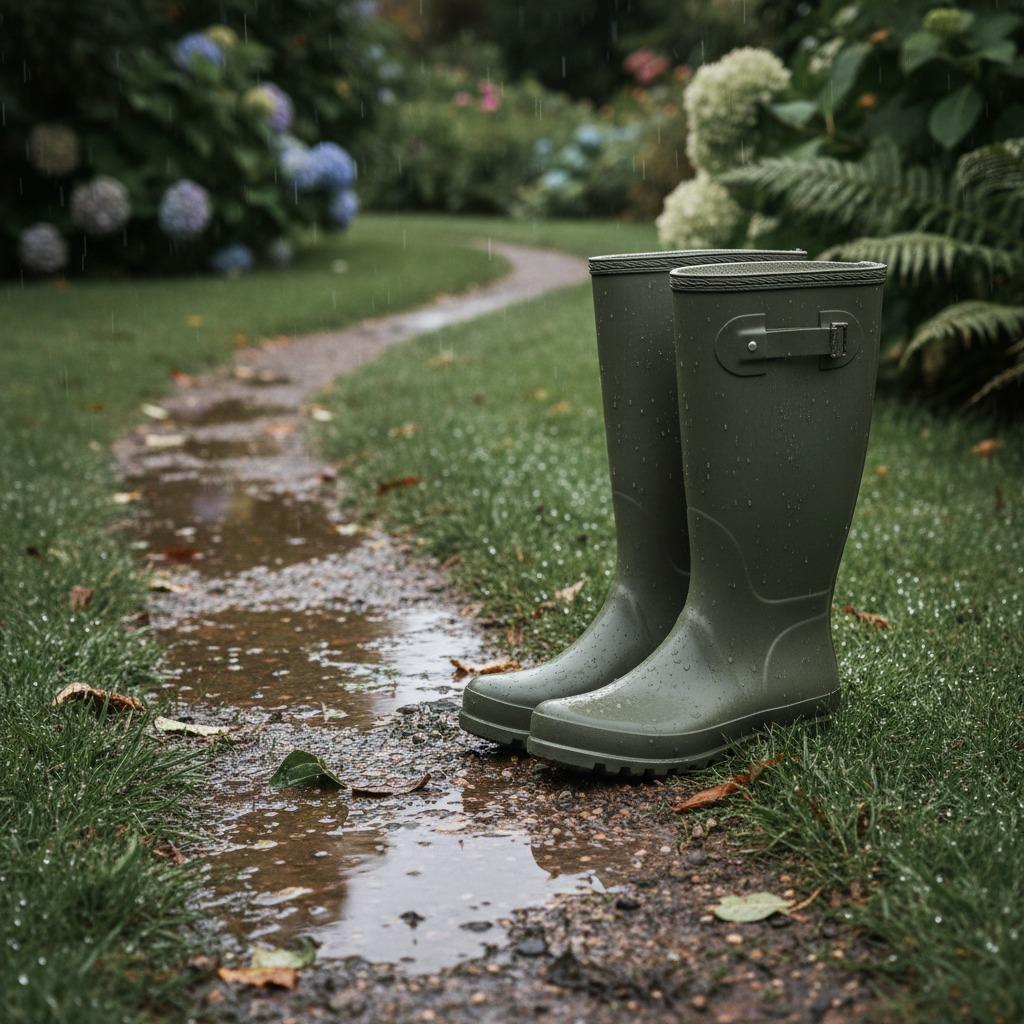
When someone types ladies bogs rain boots into a search bar, they are rarely looking for fashion alone. Most of the time, they want dependable wet-weather footwear that can handle puddles, slush, garden mud, and the sort of sideways rain that soaks through lighter shoes before lunch. For sourcing teams and product managers, that search intent matters. It is not just about style or color. It is about grip, coverage, comfort, and whether a boot can survive repeated use without turning flimsy at the seams.
The phrase also tends to pull in related buyer language such as women's bogs rain boots and ladies waterproof rain boots. Those terms overlap, but they do not always mean the same thing in the mind of the shopper. One customer wants a casual everyday boot. Another wants something insulated enough for damp mornings. A third may simply want a boot that pulls on cleanly and does not hold water around the collar. If you are evaluating products for a catalogue, retail line, or private label range, that distinction is worth keeping in view.
Why wet-weather boot selection is more technical than it looks
A rain boot sounds simple until you have to choose one at scale. The outer shell, outsole feel, shaft height, flexibility at the ankle, and ease of cleaning all affect whether a product gets worn often or left by the door after one frustrating week.
That is especially true for ladies waterproof rain boots, because fit expectations are higher than buyers sometimes admit. A boot that looks attractive on a product page can still fail in real life if the shaft rubs, the heel slips, or the footbed feels too flat for repeated walking. In workwear, garden, commuting, and outdoor leisure channels, the buyer is usually looking for a balance: enough structure to stay upright in mud, enough comfort to be worn for more than ten minutes, and enough visual appeal to avoid looking purely utilitarian.
Key product characteristics buyers should compare
Before deciding on a style or specification, it helps to break rain boots into the features that actually change performance. The list is not glamorous, but it saves returns.
1. Shaft height and splash coverage
A taller shaft improves coverage in puddles and damp grass. Shorter styles are easier to drive in and quicker to step into, but they leave more of the lower leg exposed. For many women’s rain boot shoppers, the sweet spot depends on use case rather than fashion trend.
2. Outsole grip
Wet pavement, mud, and slick tile each behave differently. A boot can look sturdy and still feel uncertain on smooth ground if the tread pattern is too shallow. Buyers should look closely at the outsole geometry, especially if the product is intended for commuting, stable yard work, or frequent outdoor movement.
3. Opening and pull-on behavior
A boot that is hard to get on will not stay popular, no matter how practical it looks. Wide openings, comfortable collar design, and a shaft that flexes without collapsing all matter. If the boot includes buckles or decorative straps, check whether those features are only visual or actually help with adjustment.
4. Weight and flexibility
A heavy boot may feel protective, but too much weight becomes tiring quickly. Lightweight models are easier for walking and errands, though they can feel less substantial. The right answer depends on whether the target customer is mainly walking, standing, or moving through rough outdoor conditions.
5. Maintenance
Rain footwear should be easy to wipe clean. Mud and road grit should not cling to every seam. This is one reason molded or smooth-surface styles remain popular: they look neater after use and are easier to keep presentable between wears.
Where the visible product construction points in another direction
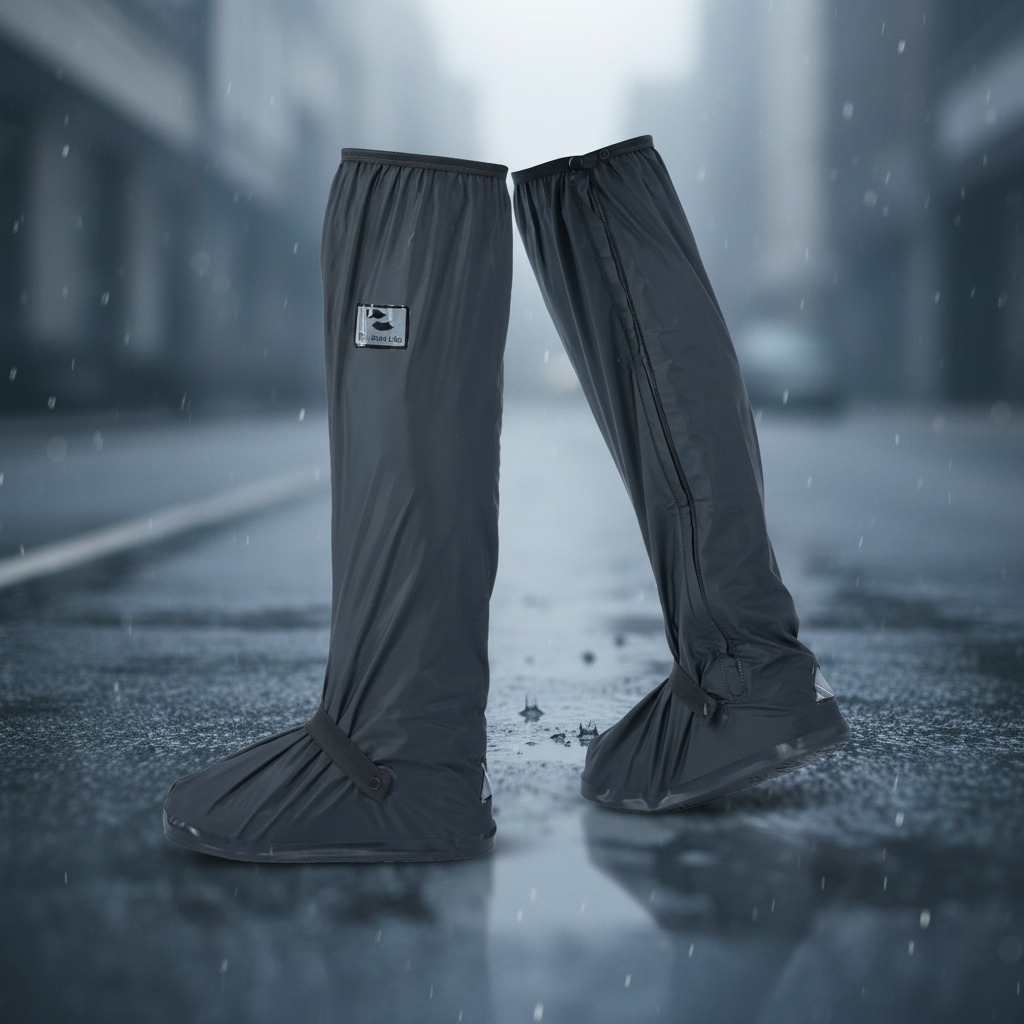
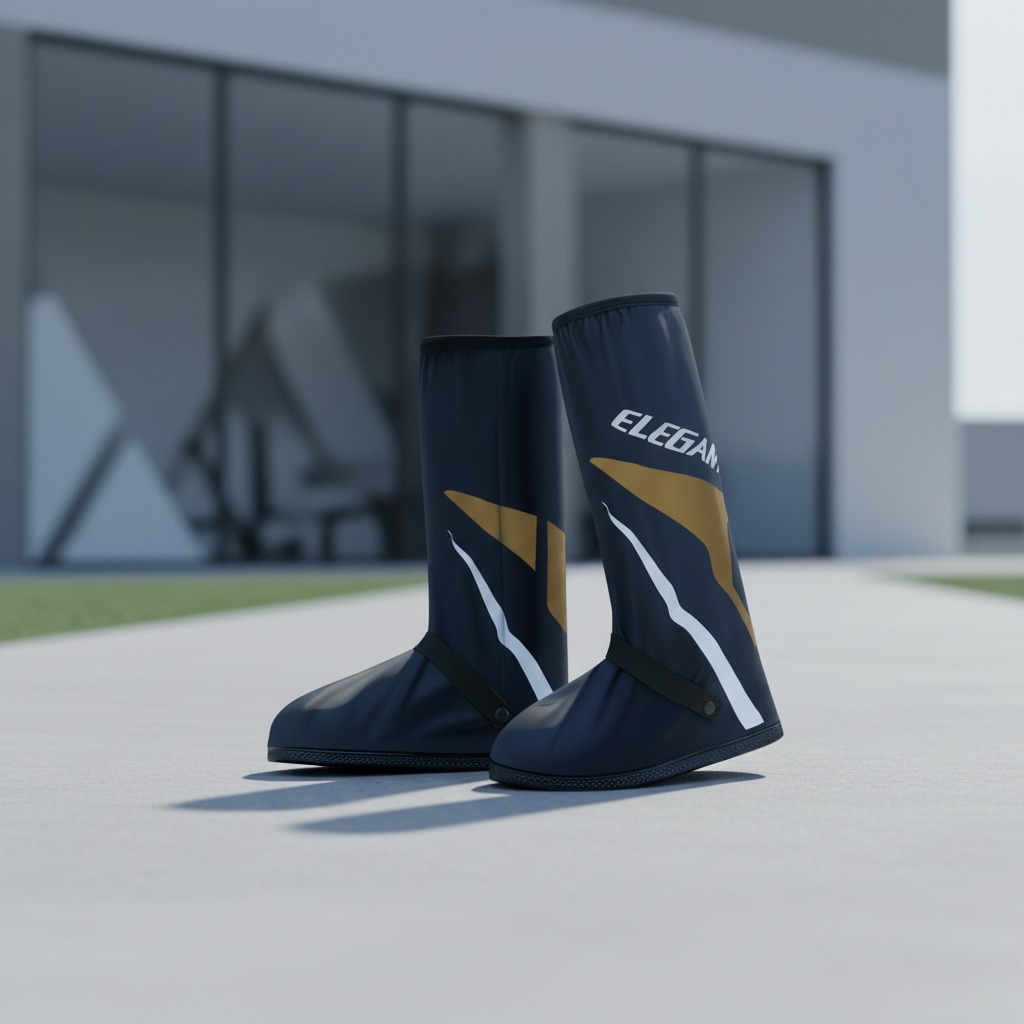
The product information provided here does not describe a traditional molded rain boot. It appears to be a cut-and-sew protective overshoe or boot cover, likely intended for cycling, commuting, riding, or light weather protection. That is an important distinction for buyers comparing it with ladies bogs rain boots in the usual sense.
Visually, the item has a tall tube-like leg cover, a shaped foot section, and a flat sole cover. It is made from a dark navy or black synthetic textile or coated fabric with printed graphics in white and gold. The lower edge and sole perimeter appear reinforced, and there may be a strap or closure tab near the ankle. Those details suggest a product built to slip over existing footwear rather than replace a full rain boot.
For the right customer, that can be a useful advantage. Overshoes protect a favorite shoe or cycling shoe from splash, road spray, dirt, and light rain without requiring the wearer to change footwear entirely. For another customer, though, it would be the wrong purchase if they expected a stand-alone boot for garden use or everyday street wear.
How to decide whether you need a boot or an overshoe
This is the practical fork in the road, and many returns come from ignoring it.
A conventional rain boot is the better fit if the buyer wants:
- all-in-one footwear for walking outdoors
- quick use in wet yards, fields, or city streets
- an easy product that does not depend on the shoe underneath
- more familiar sizing and consumer expectations
A protective overshoe or boot cover is often better if the buyer wants:
- weather protection for an existing shoe or cycling shoe
- compact storage and packable use
- coverage mainly against splash, spray, and light rain
- a product that pairs with specialized footwear underneath
That difference is not minor. It changes how the product is marketed, sized, photographed, and explained in-store. A customer who sees a sleek protective cover but expects a cozy pull-on boot may be disappointed, even if the product itself is well made.
Materials and construction: what can be said safely
Based on the provided product description, the visible material appears to be a smooth synthetic textile or coated fabric with a matte-to-slight-sheen finish. The graphics are printed, and the edges appear stitched or bonded. Those are common manufacturing features in cut-and-sew outerwear and rain accessories.
The actual waterproofing method is not verified here, so it would be unwise to promise more than the product can honestly support. Buyers should ask whether the seams are sealed, whether the lower section uses a reinforced coating, and how the product behaves after repeated flexing. For overshoes in particular, the Achilles’ heel is often the seam line around the foot and ankle. That is where spray finds its way in first.
Another point worth checking is closure security. The visible ankle tab or strap suggests some form of stabilization, which is useful because overshoes can wander on the foot if the fit is loose. Even a small design detail can make a big difference in daily use.
Common mistakes when sourcing ladies waterproof rain boots
One mistake is to overvalue appearance. A polished silhouette and nice branding matter, but they do not compensate for poor fit, slippery soles, or awkward entry.
A second mistake is to assume all wet-weather products serve the same buyer. A commuter, a garden customer, and a cyclist do not want the same thing. If the product is an overshoe, do not position it like a general ladies waterproof rain boot unless the feature set truly supports that claim.
A third mistake is failing to think through seasonality. If the product is light and low-bulk, it may work well in spring showers and urban spray but feel insufficient in cold, deep-wet conditions. The difference between splash protection and true all-day wet-weather use is worth stating plainly.
Practical buyer advice for retailers and sourcing teams
If you are building a range around ladies bogs rain boots or adjacent protective footwear, start with the use case, not the color palette. Ask who will wear it, where it will be worn, and whether the customer is buying a replacement for a boot they already own or a standalone boot they can wear immediately.
For ecommerce teams, make the product type obvious in the title and first image. If it is an overshoe, say so. If it is a boot, show shaft height, sole profile, and how it looks on foot. Ambiguity drives returns faster than almost anything else in this category.
For wholesale buyers, check the details that are easy to miss in a sample room: how the opening behaves, whether the sole edge feels reinforced, whether the printed surface may scuff, and whether the product folds or stores neatly. Small matters, but they shape customer satisfaction.
FAQ buyers often ask
Are ladies bogs rain boots the same as women's bogs rain boots?
In everyday retail language, yes, usually. The difference is mostly wording, not product type. The real question is whether the item is a standard boot or a protective overshoe.
Can a protective overshoe replace a rain boot?
Sometimes, but only for the right use case. It can be useful for splash and light rain, especially over specialist shoes. It is not automatically a substitute for a stand-alone boot.
What should buyers verify before placing an order?
Check fit, entry, sole traction, seam construction, and whether the product is meant for general wet-weather wear or for a specific activity such as cycling.
What a good next step looks like
If your brief is truly for ladies bogs rain boots, compare styles on coverage, grip, comfort, and ease of wear before you get distracted by branding. If your actual need is a protective overshoe, then the product shown here deserves a different conversation entirely: it is closer to a weather shell for footwear than a classic rain boot.
That is the kind of detail that keeps a product line honest and a buyer out of trouble. The right wet-weather item is the one that matches the customer’s route, not just the keyword they happened to search.